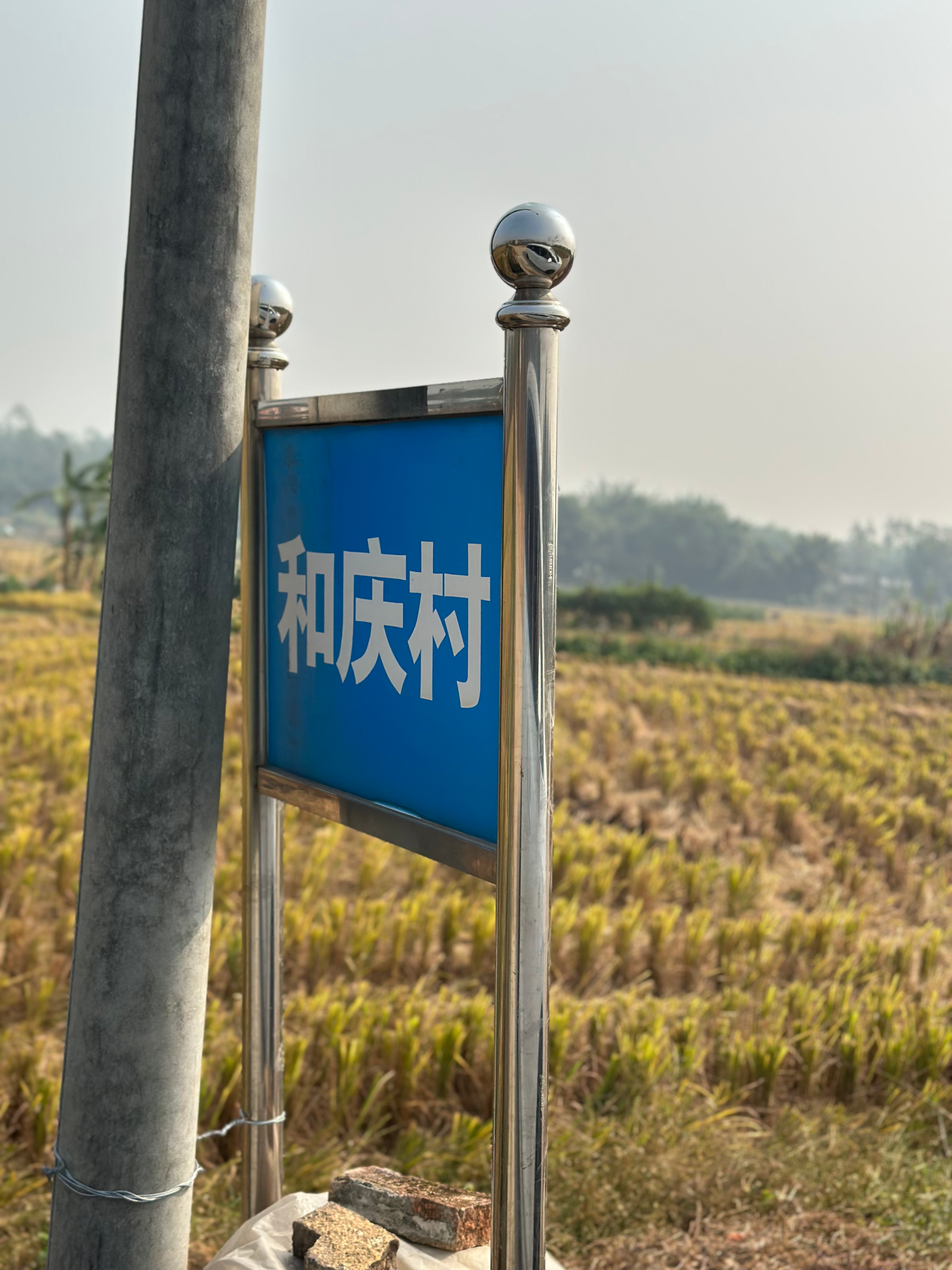
My wife, her family and I visited Gom Benn Village in December 2025. It was my third time going back to our ancestral village. And, who knows, maybe my last.
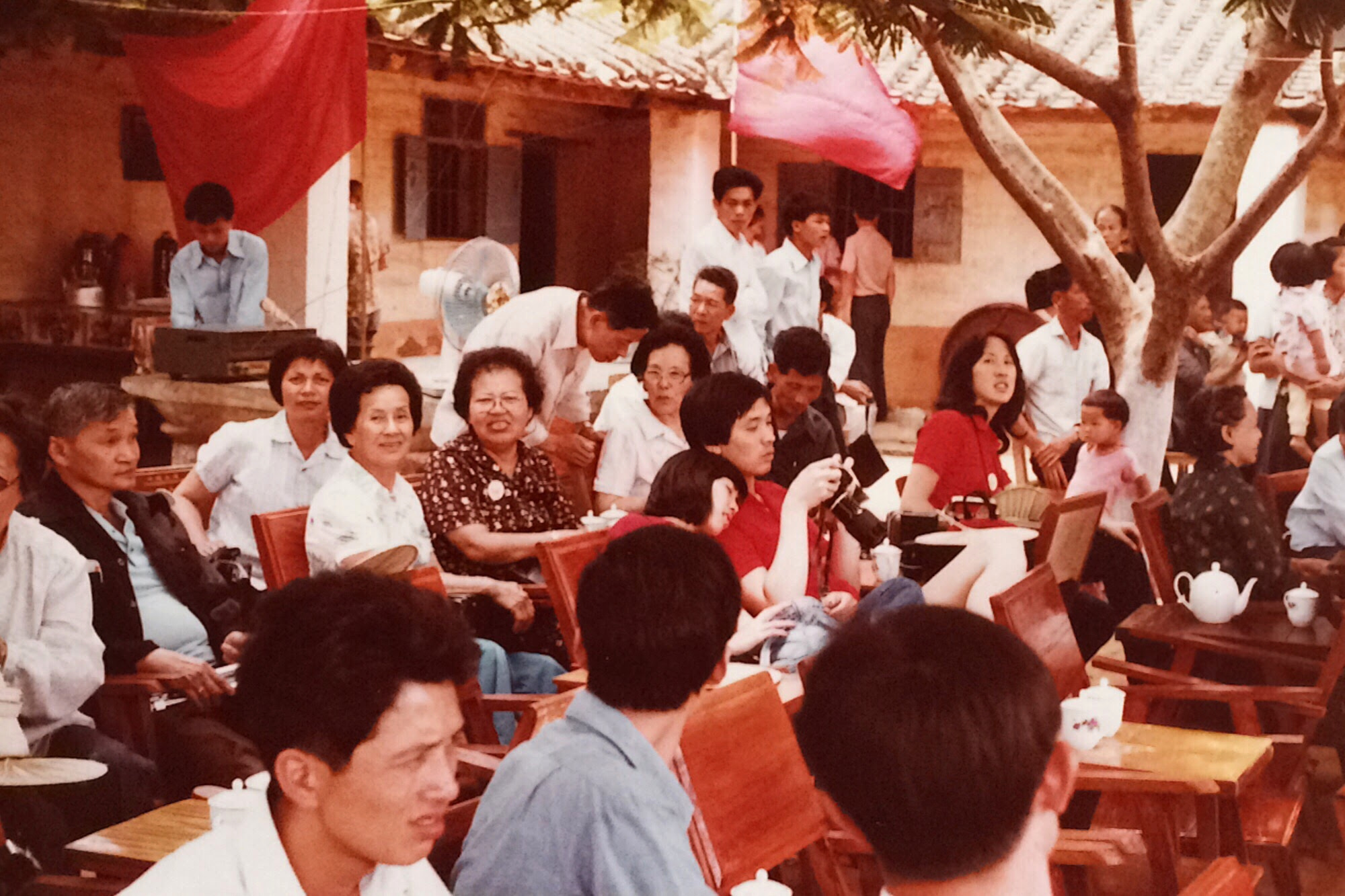
The first time, in 1980, we were welcomed like returnees from Mars – celebrated and treated like aliens. Our bus, carrying my uncle Bing T. Wong and others from the Los Angeles area, might as well have been a spaceship. The entire village seemed to gather for us, hosting a feast in a courtyard on a too- warm day. China was undergoing another revolution, and opening to the West. My uncle and others from our Gom Benn Village Society in America donated to a school. And a small sewing factory.
Returning with My Father
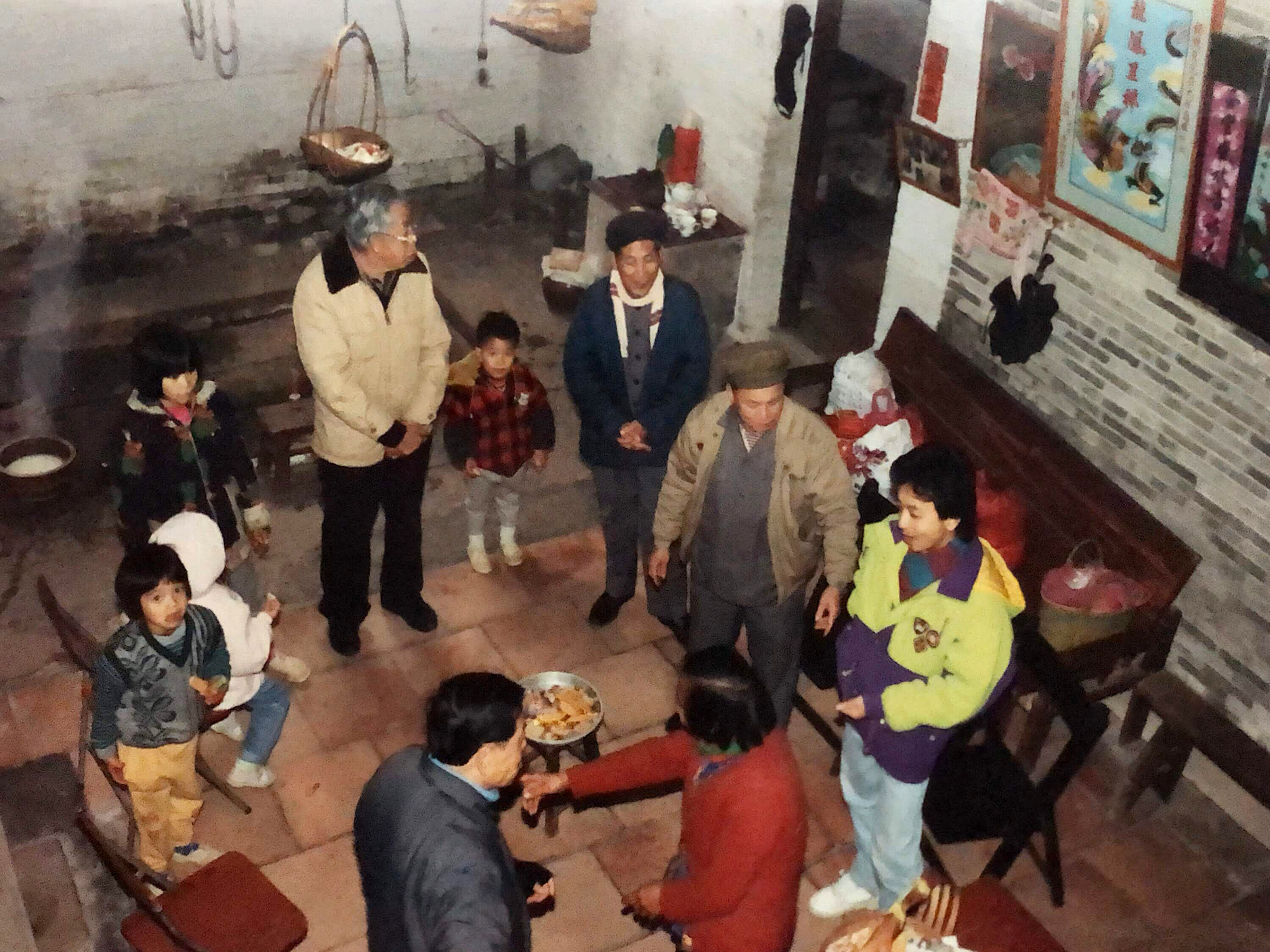
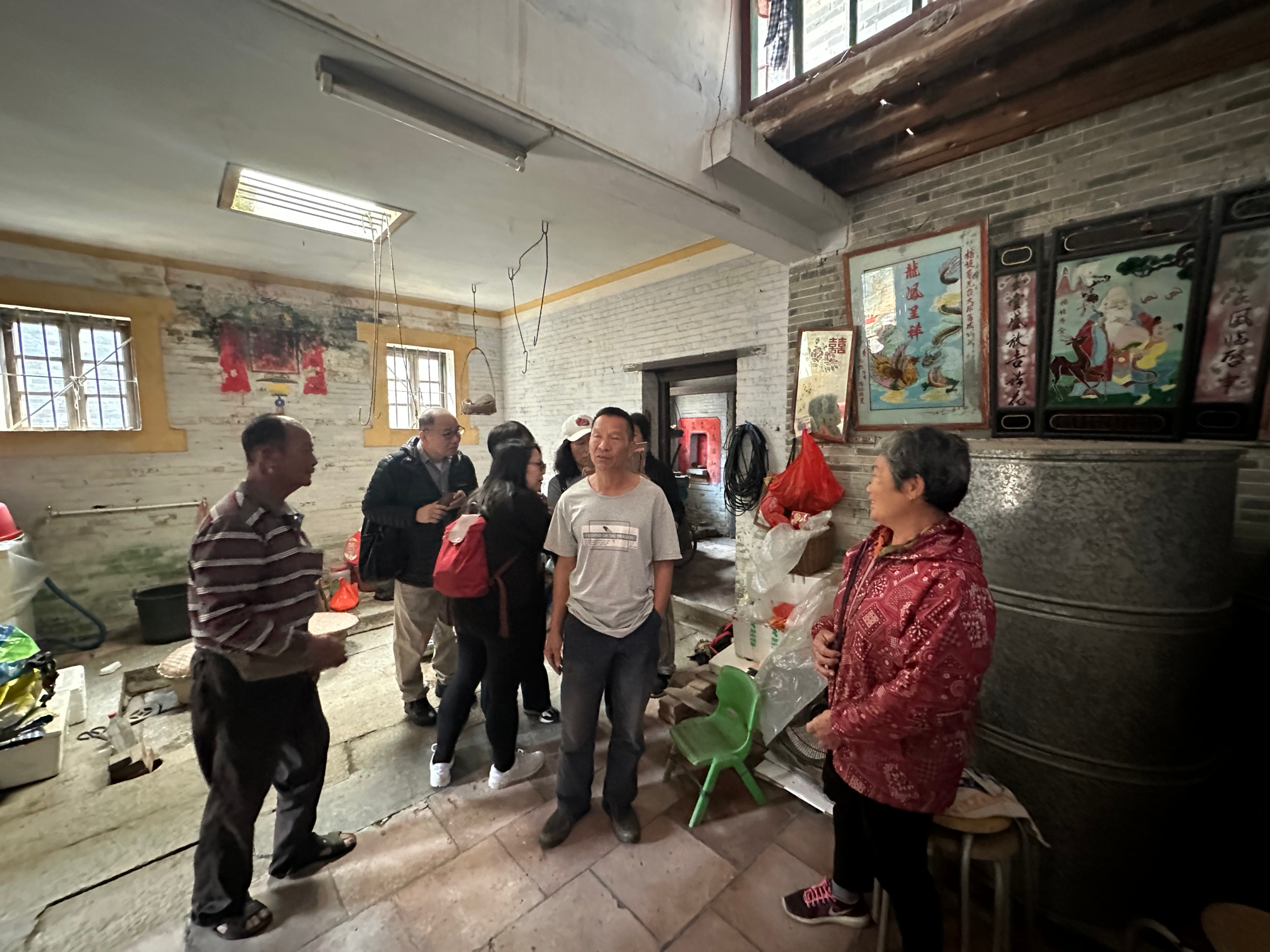
By the early 1990s, when I returned to Gom Benn for a second time, everything had changed. Again. China’s modernization was rushing ahead – leaving the village school and factory behind. Young people raced to the cities for jobs. On that visit, my only trip to Gom Benn with my father, Bing K. Wong (黄柏宗), I saw his house.
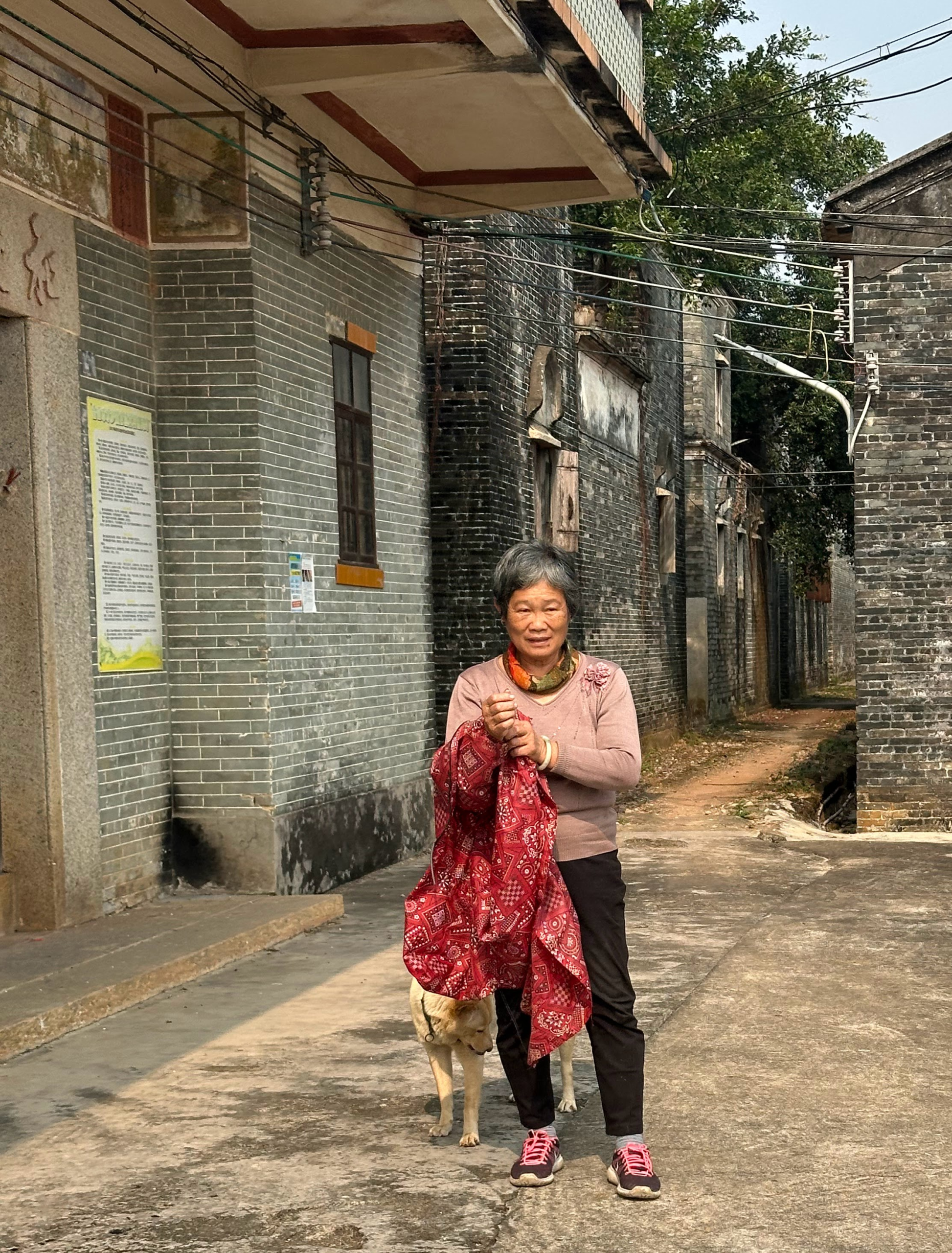
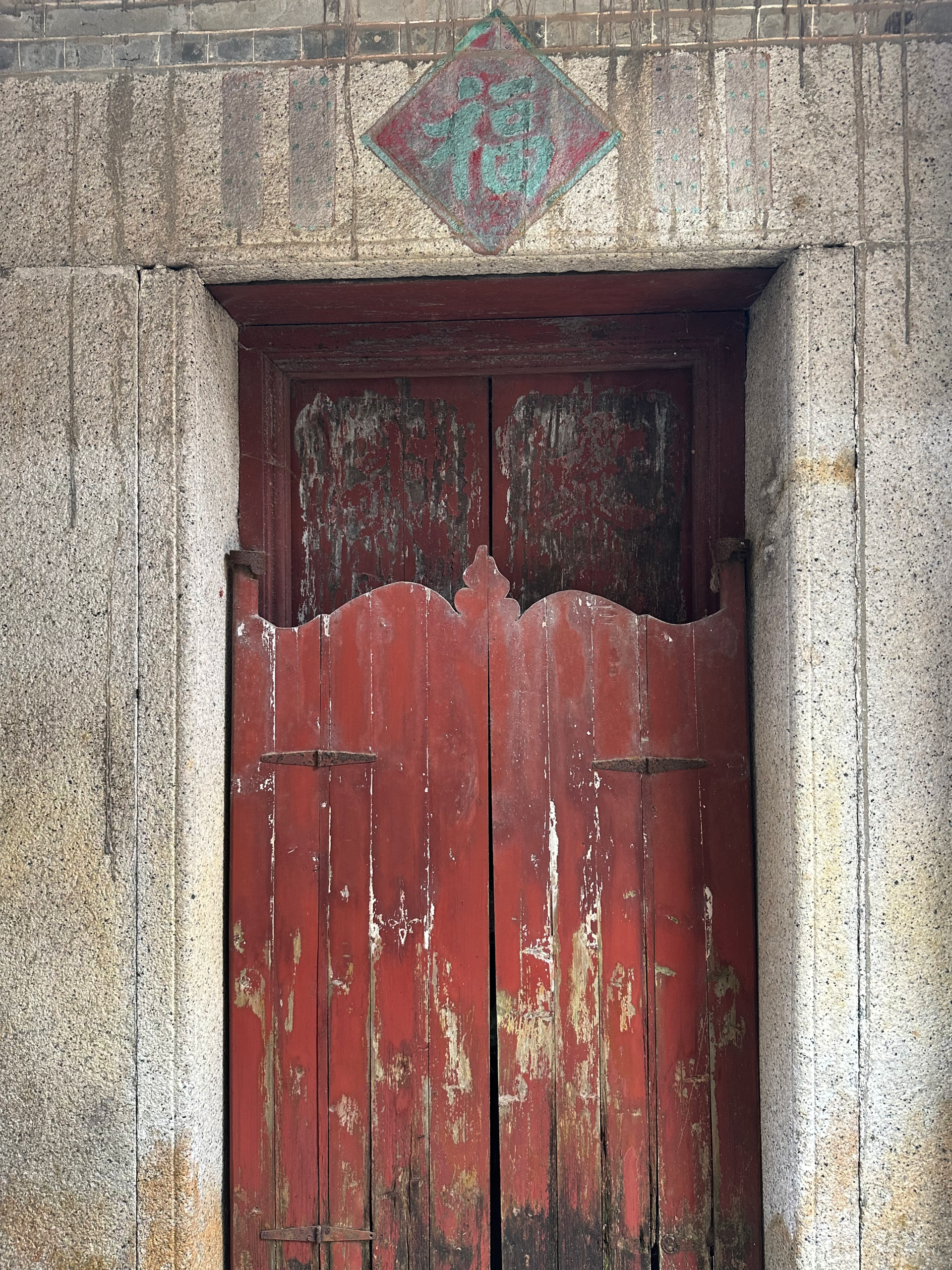
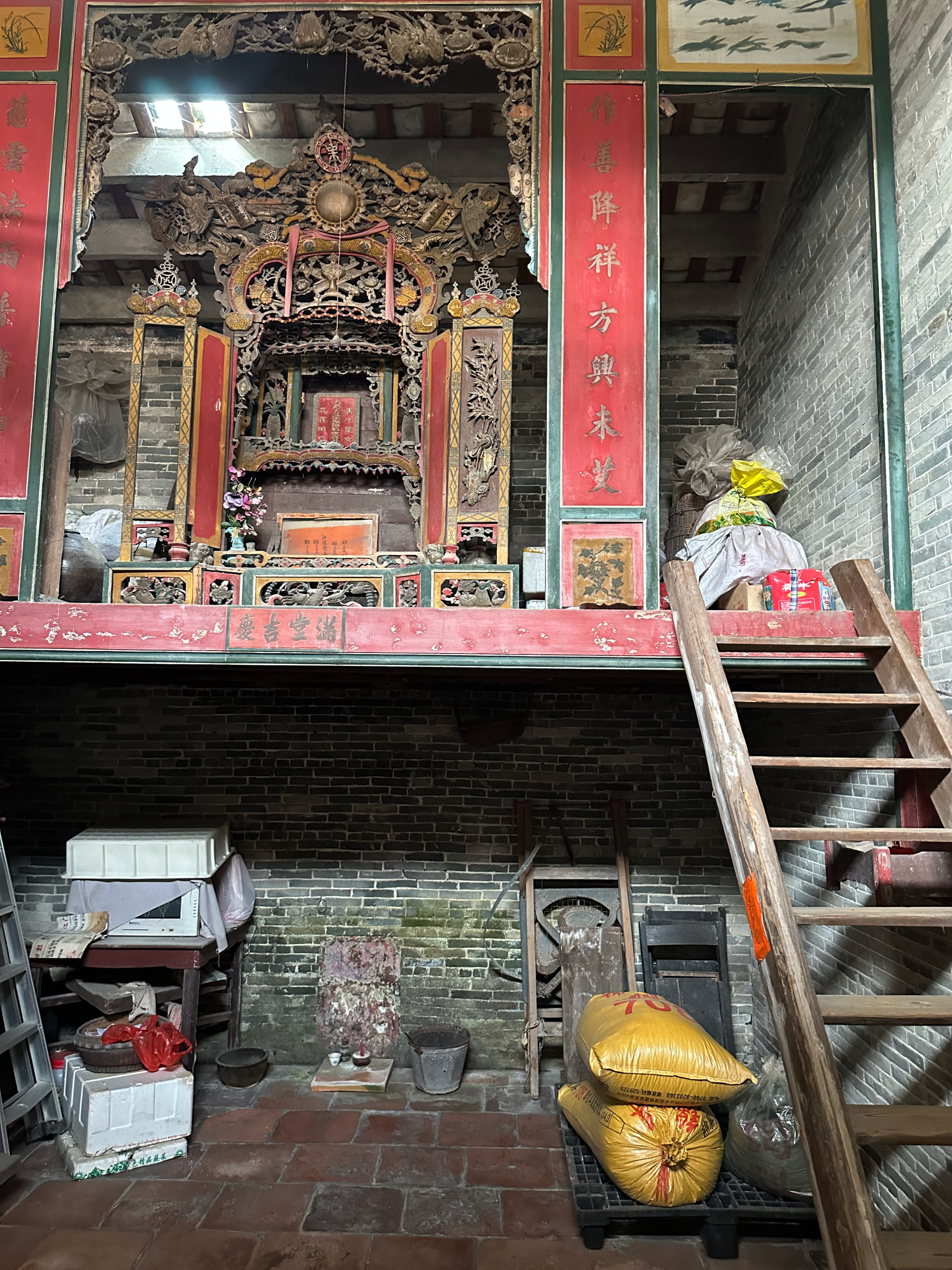
It and the entire Wo Hing (和興) subdivision was erected in the early 1910s when a generation of our ancestors returned with their Gold Mountain prosperity. An elderly woman lived in, and cared for our old home.
Now and Yesterday
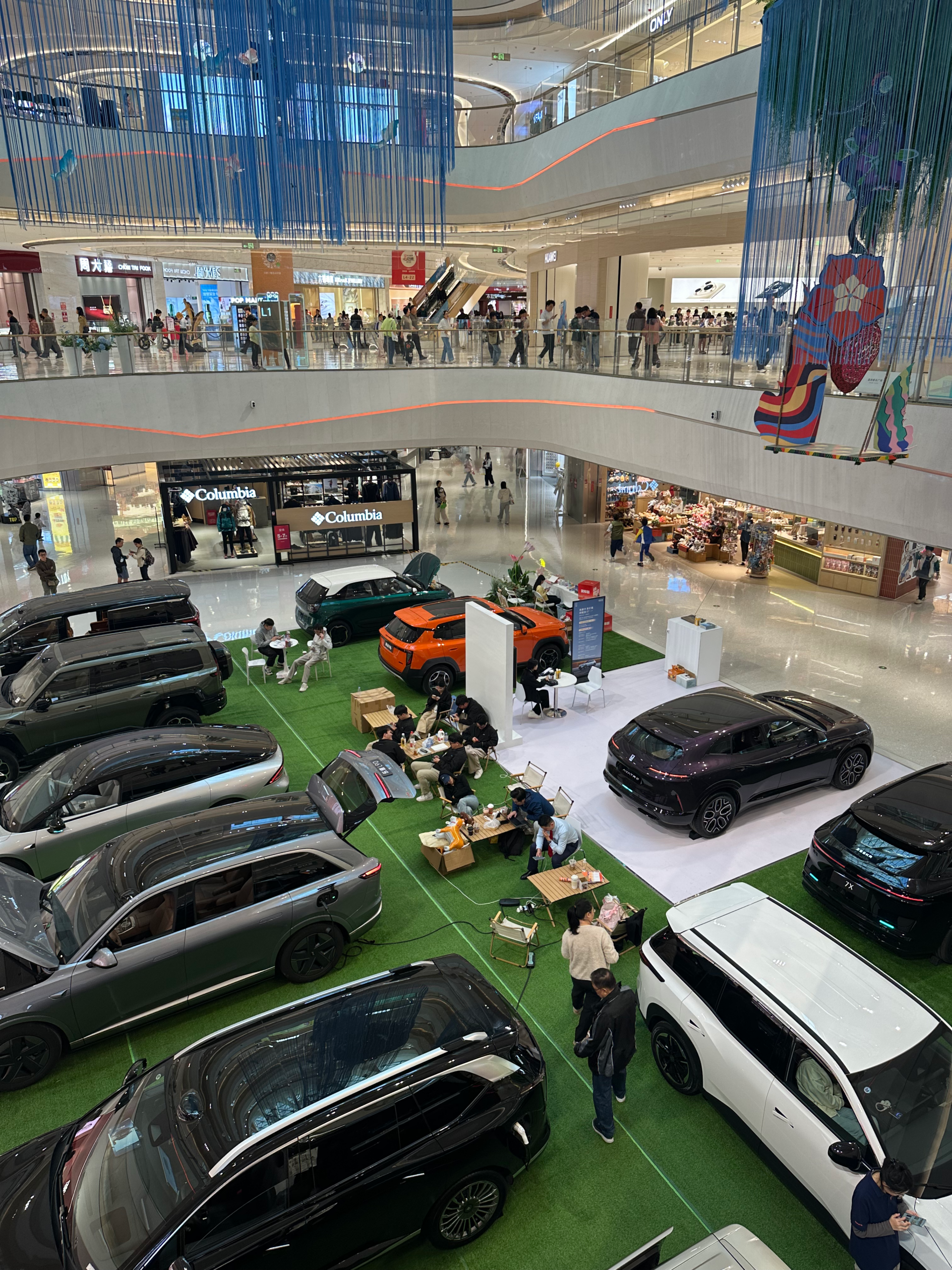
Today, China is still changing. New skyscrapers abound. Bullet trains criss-cross the nation. A country once notable for its bicycles is now leading the world in electric cars.
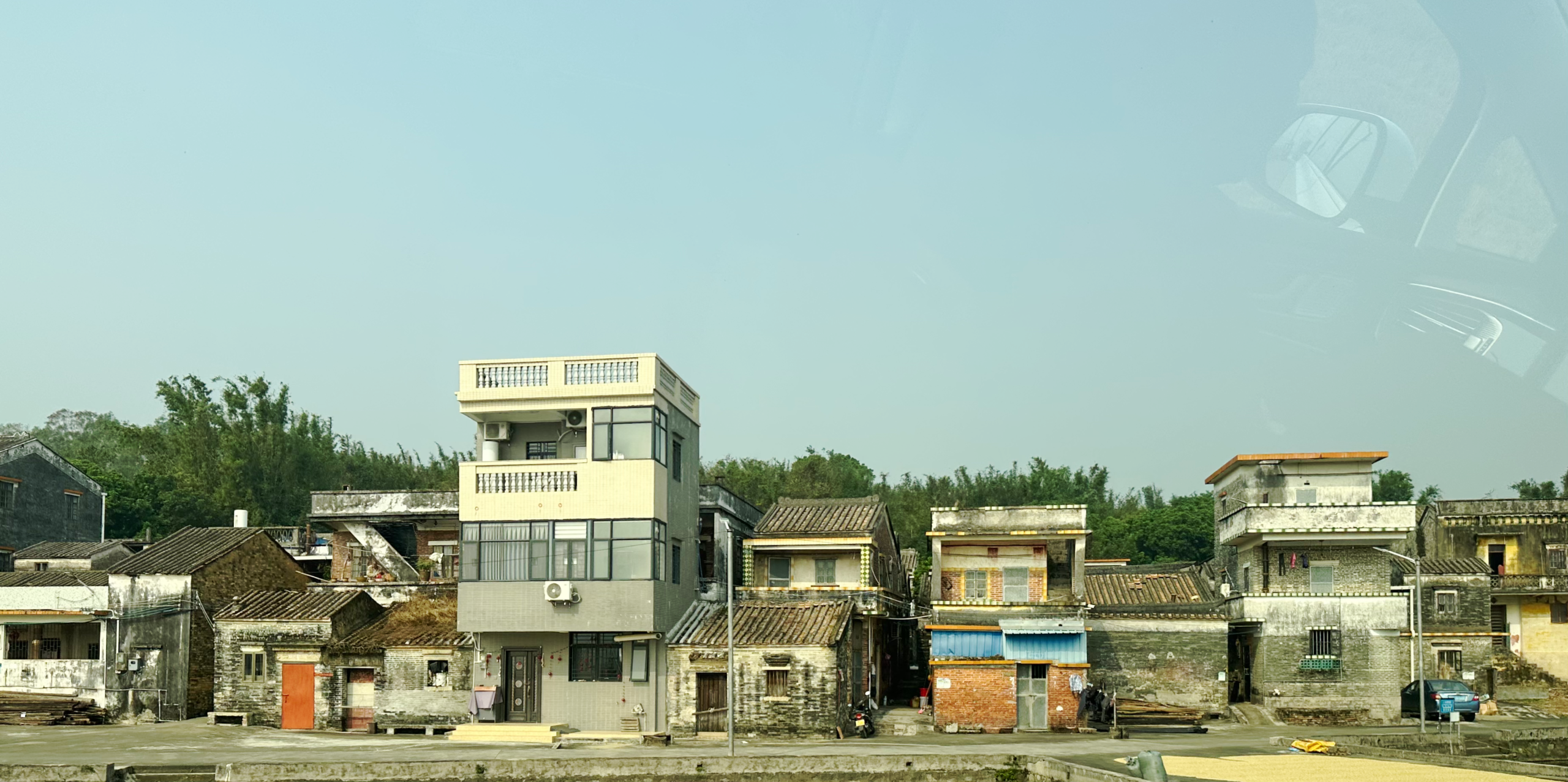
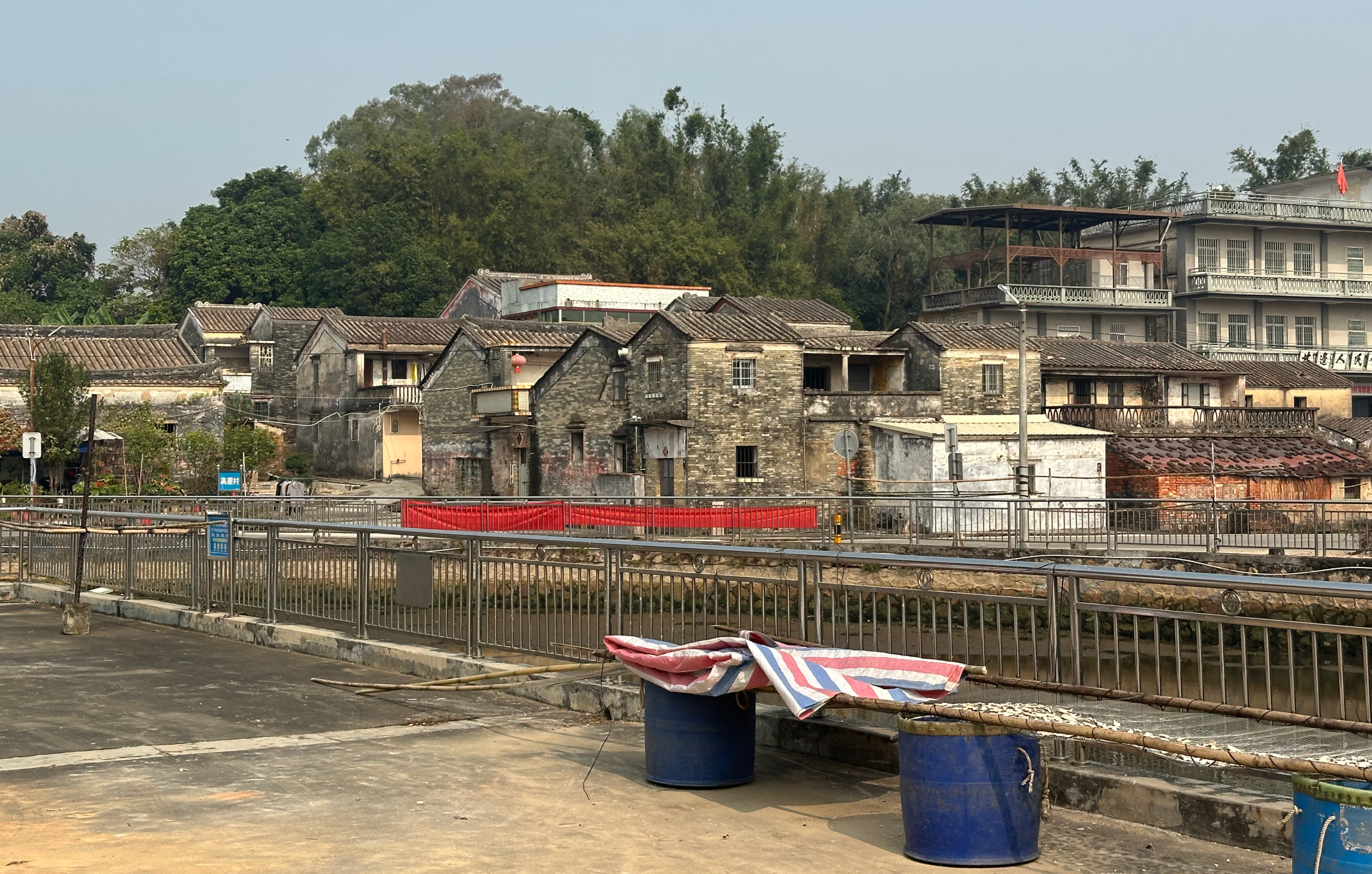
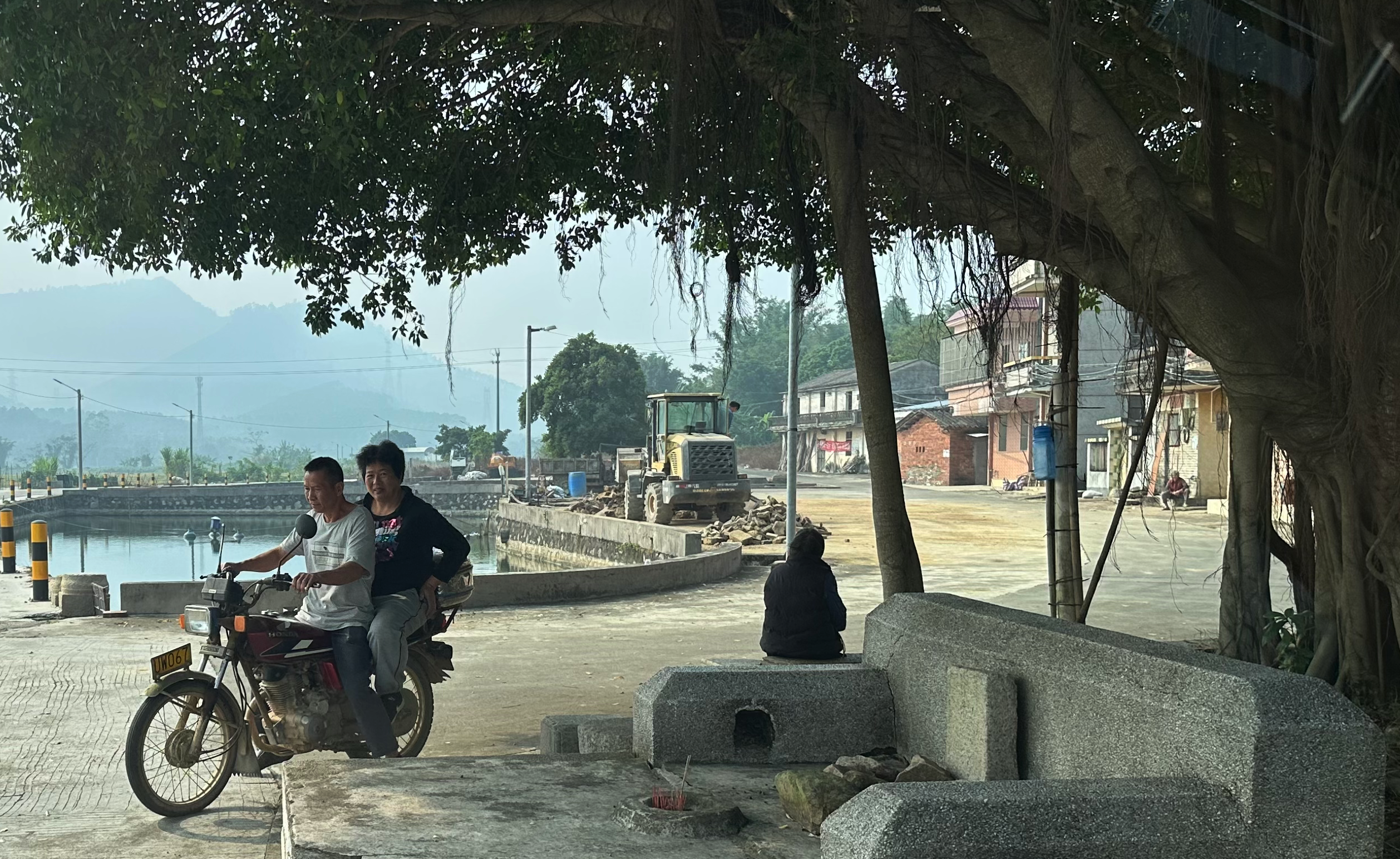
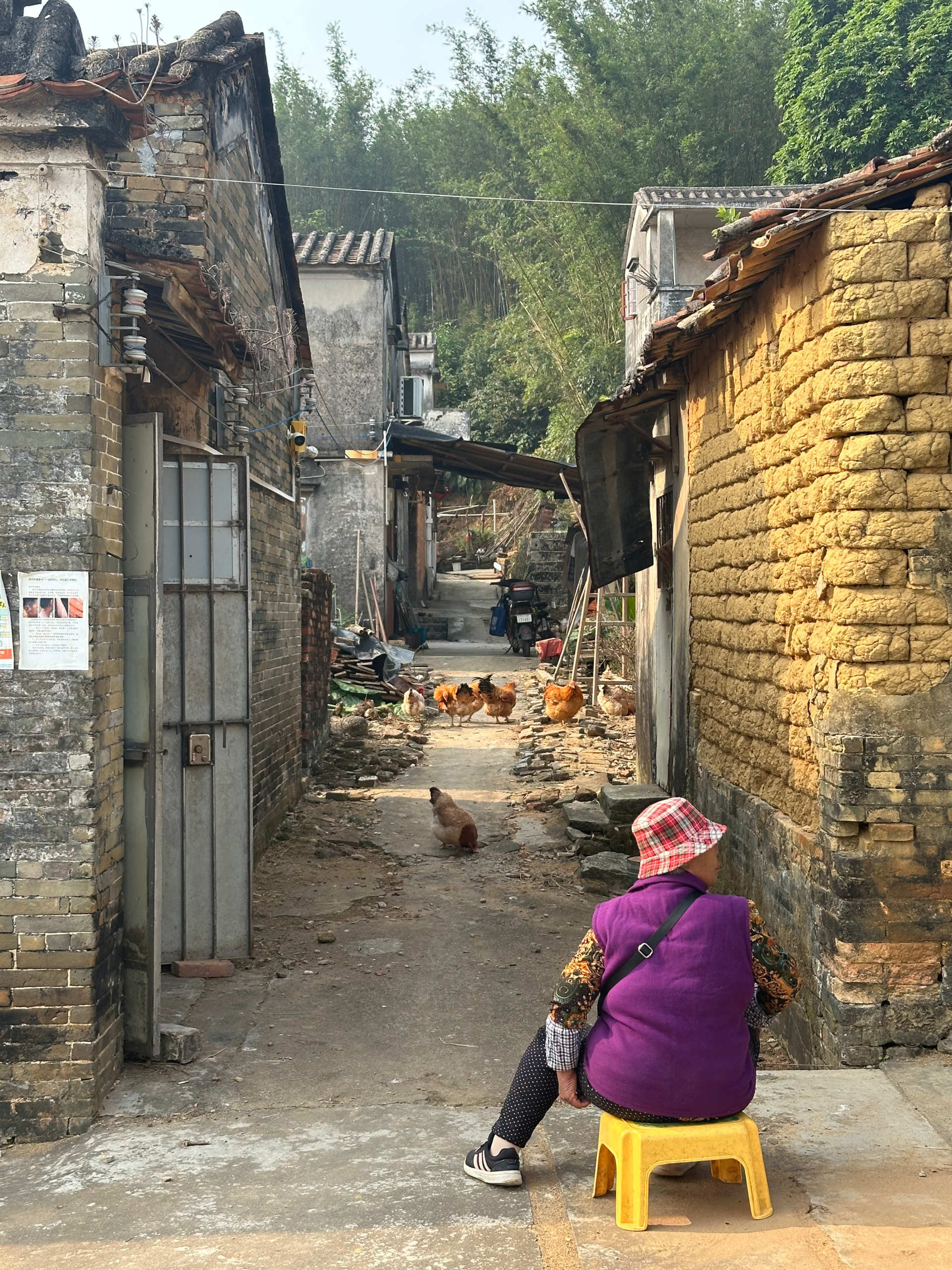
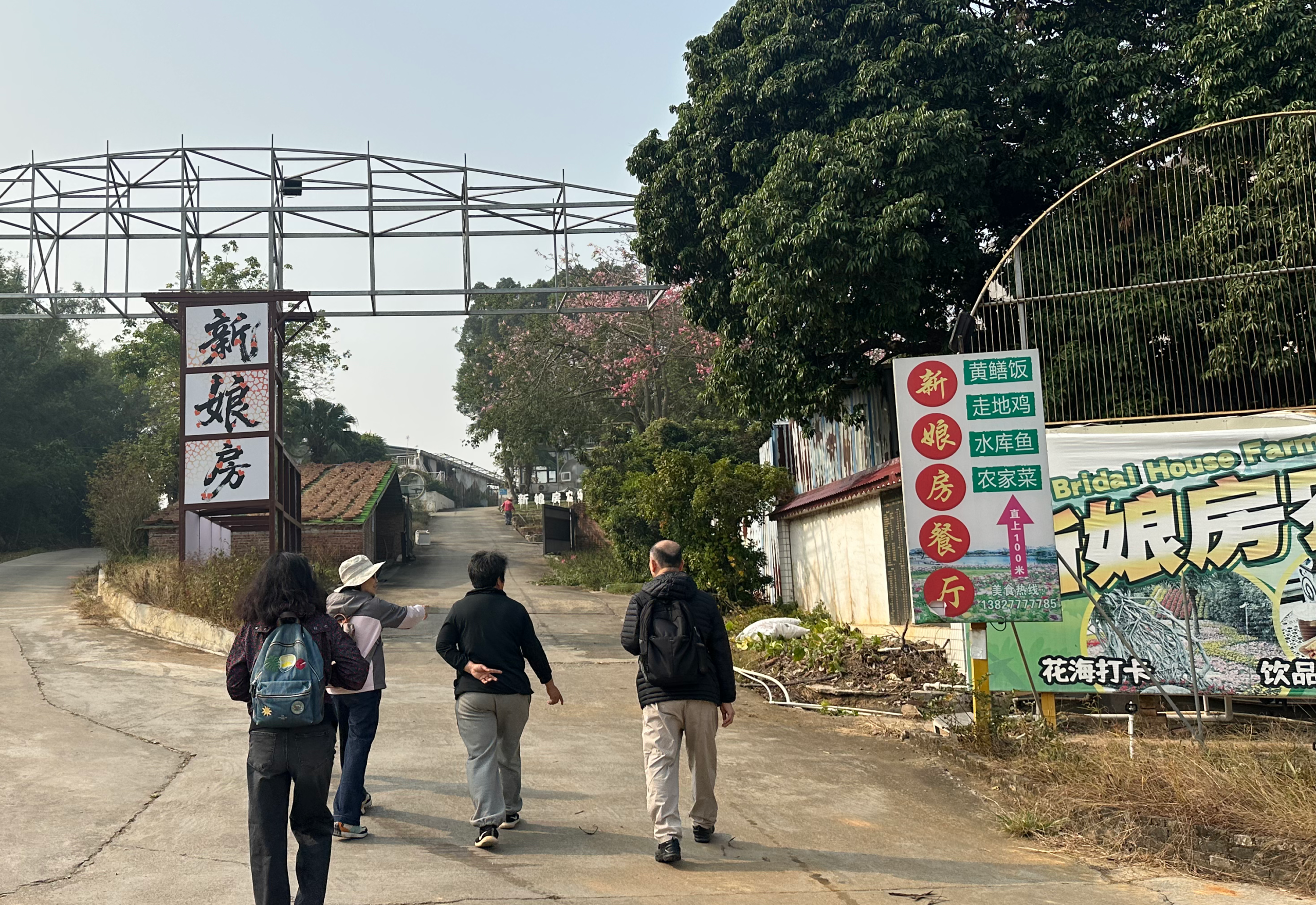
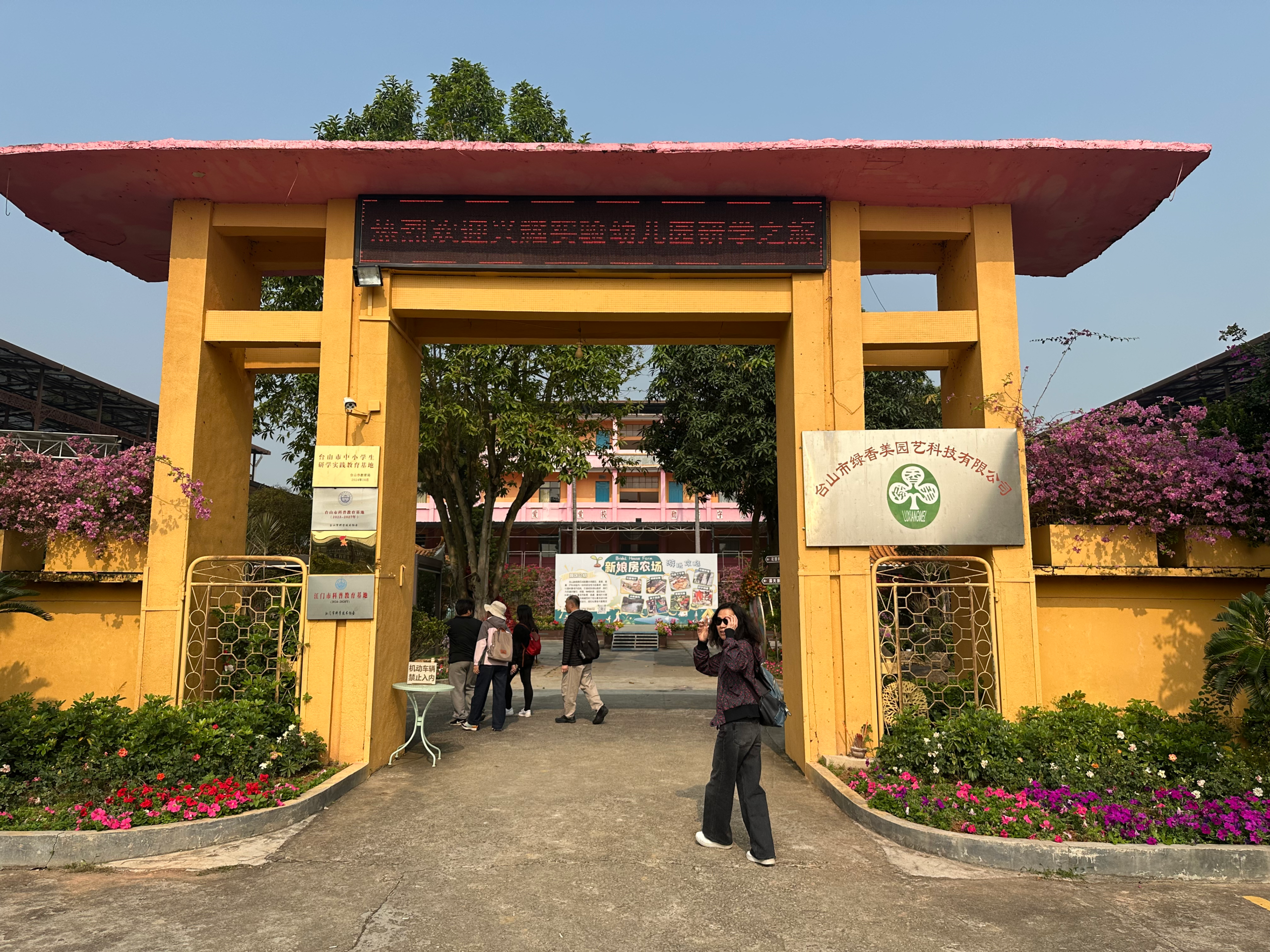
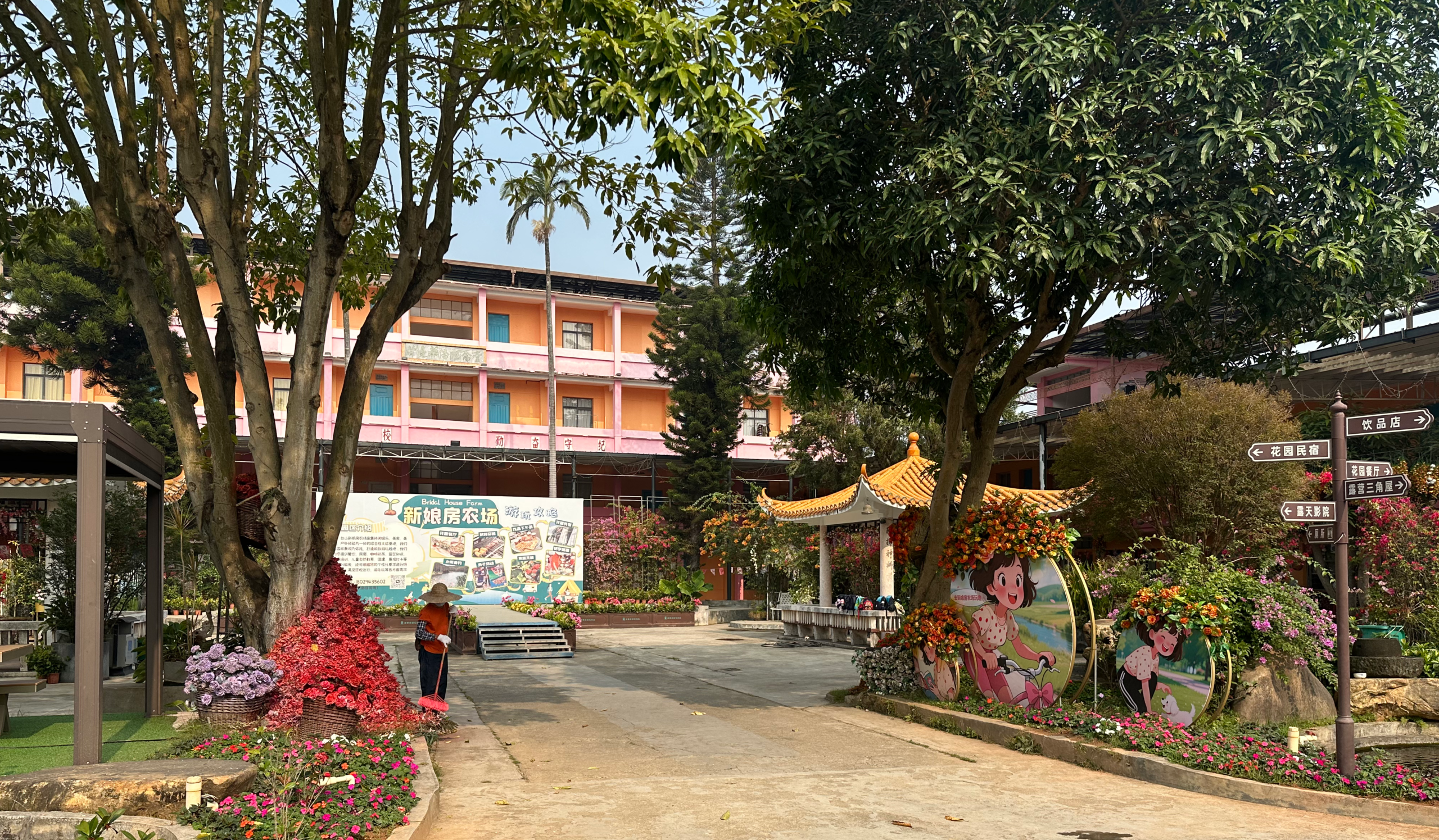
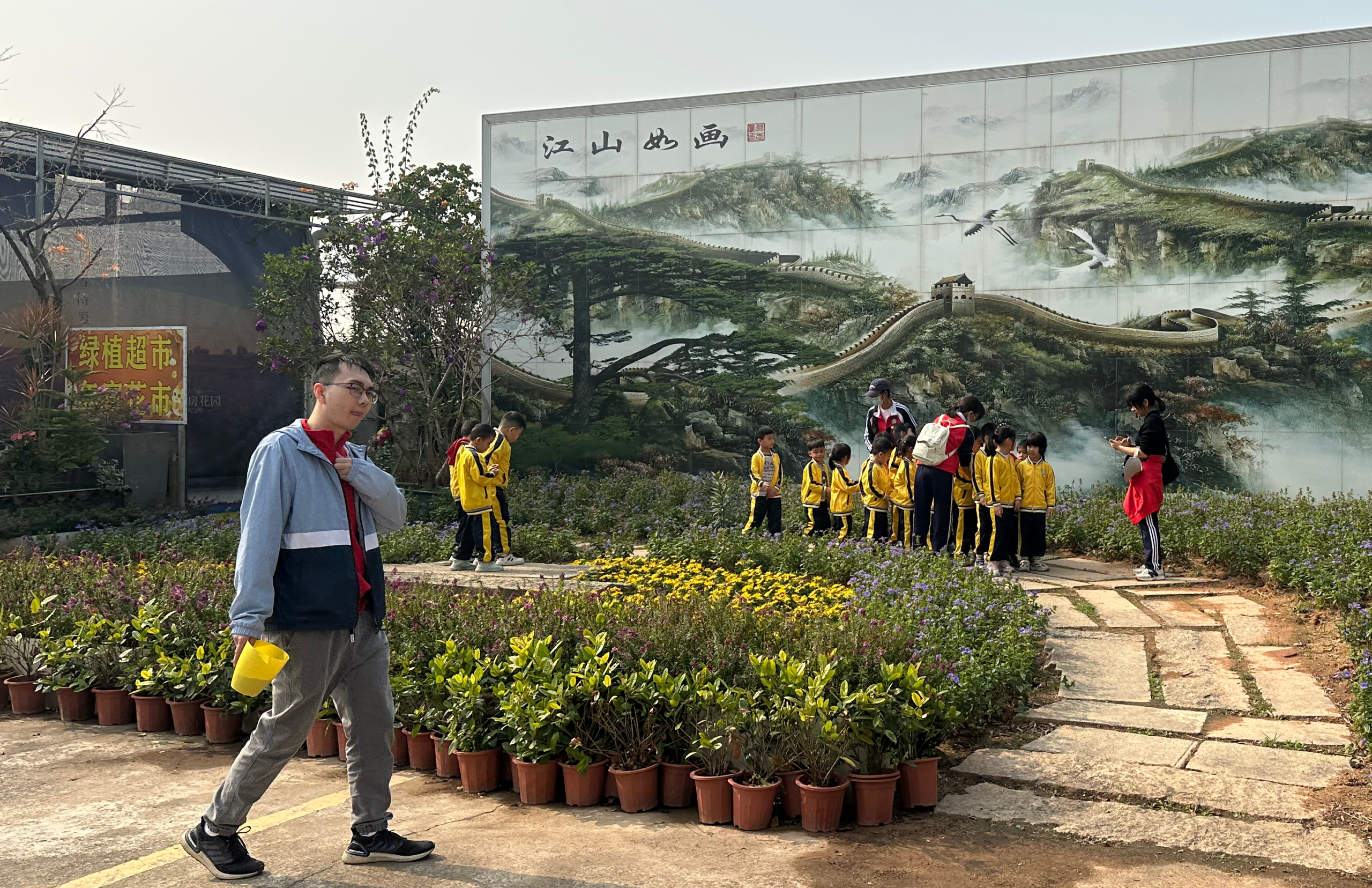
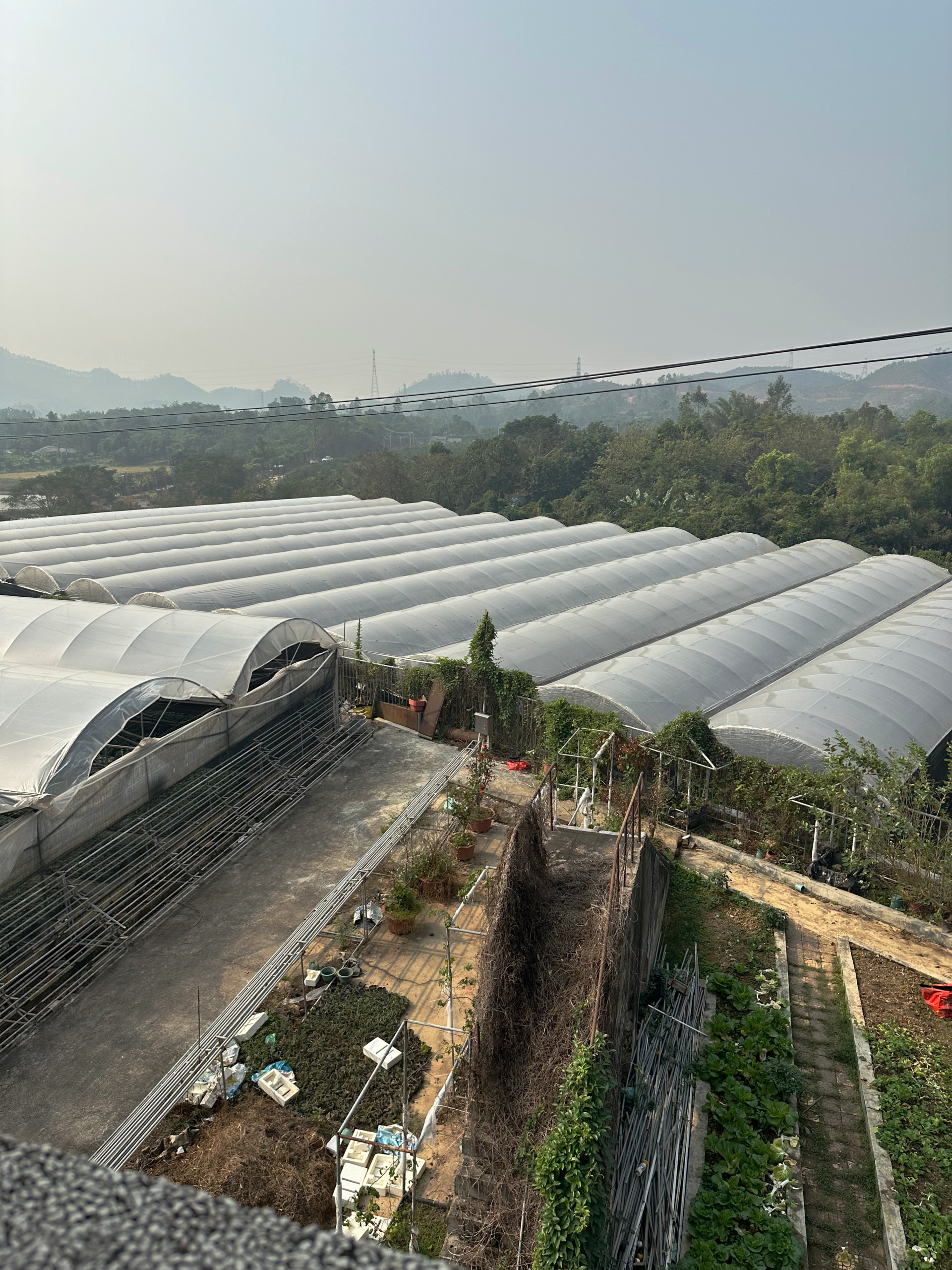
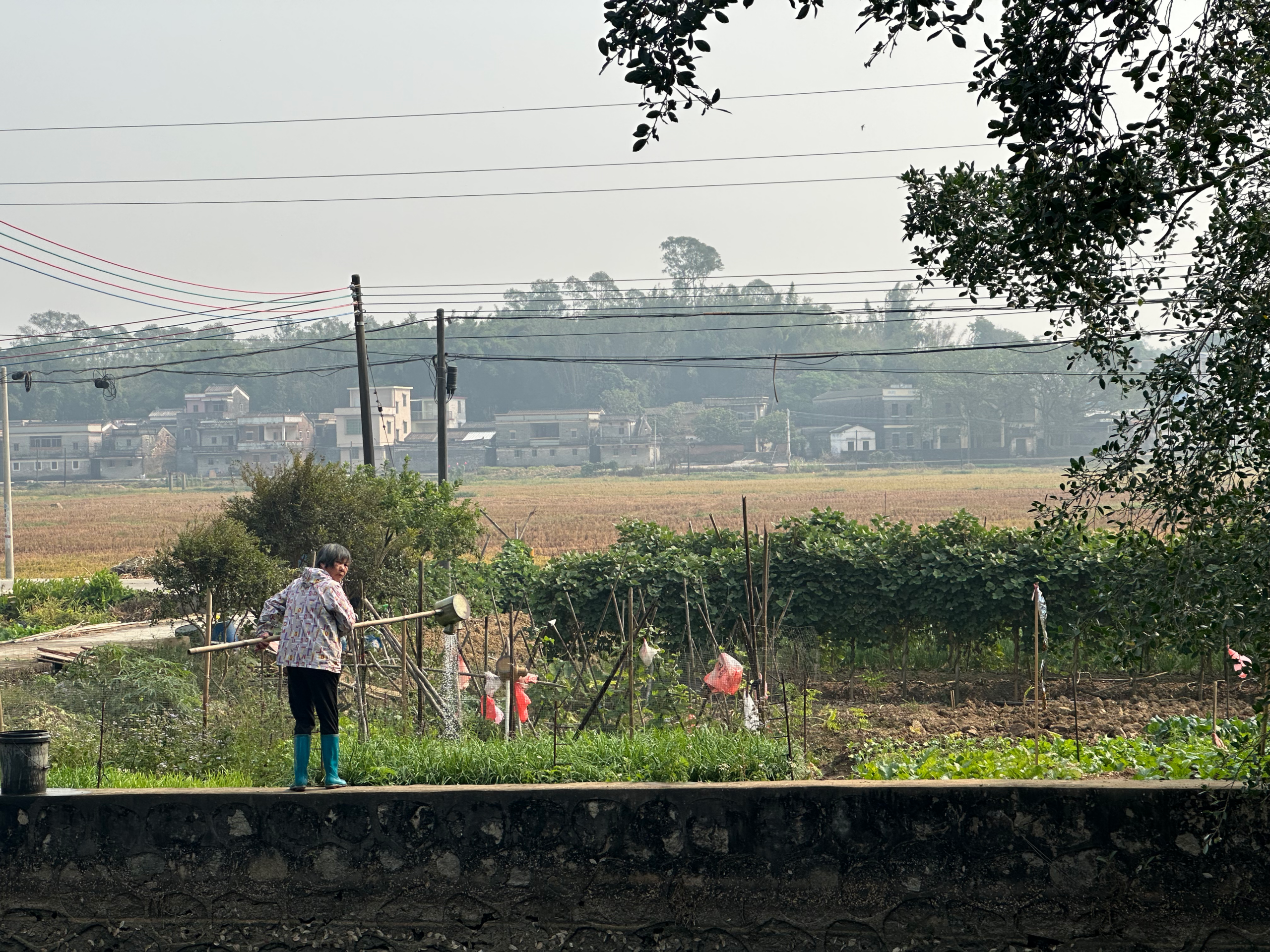
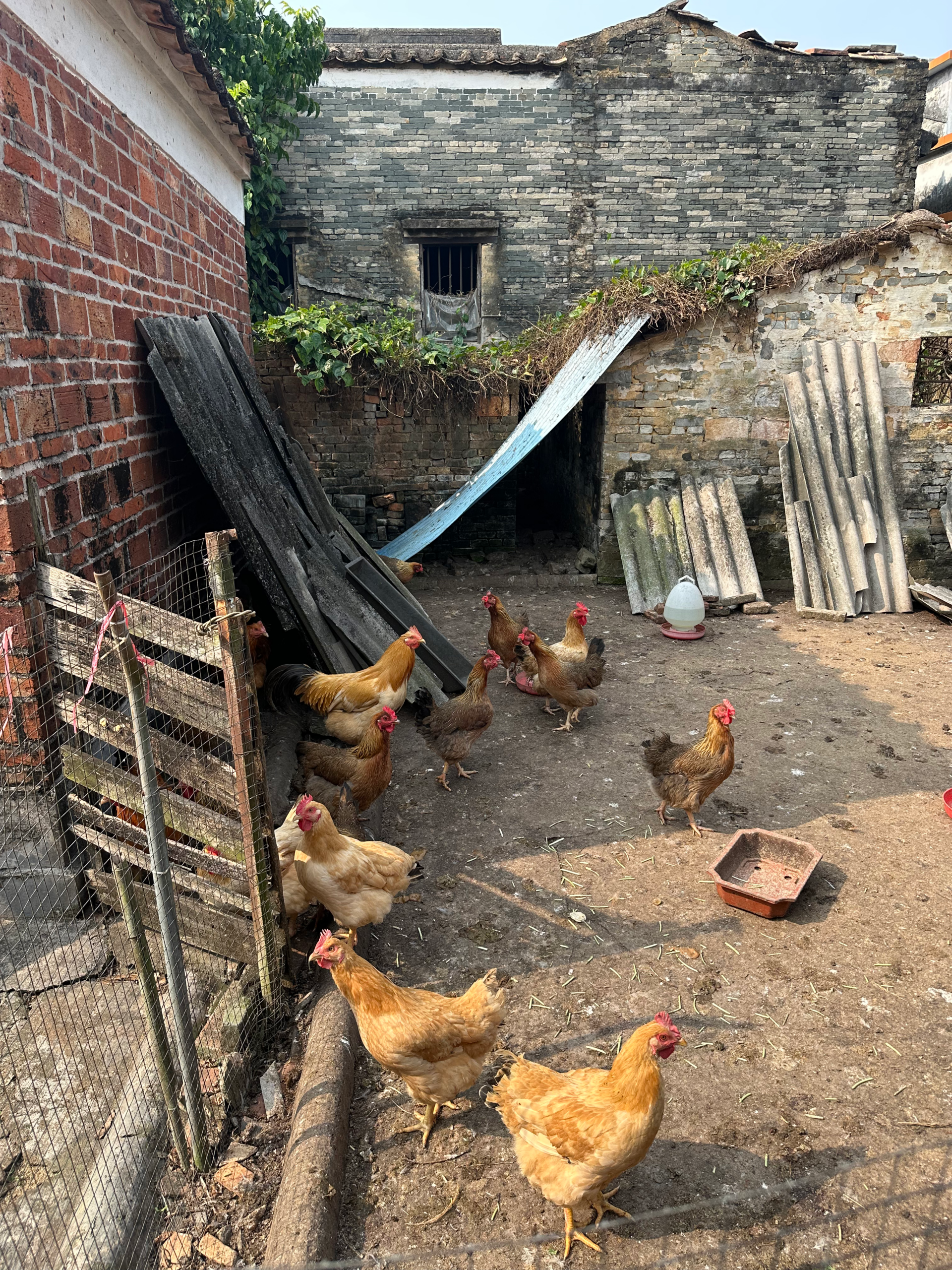
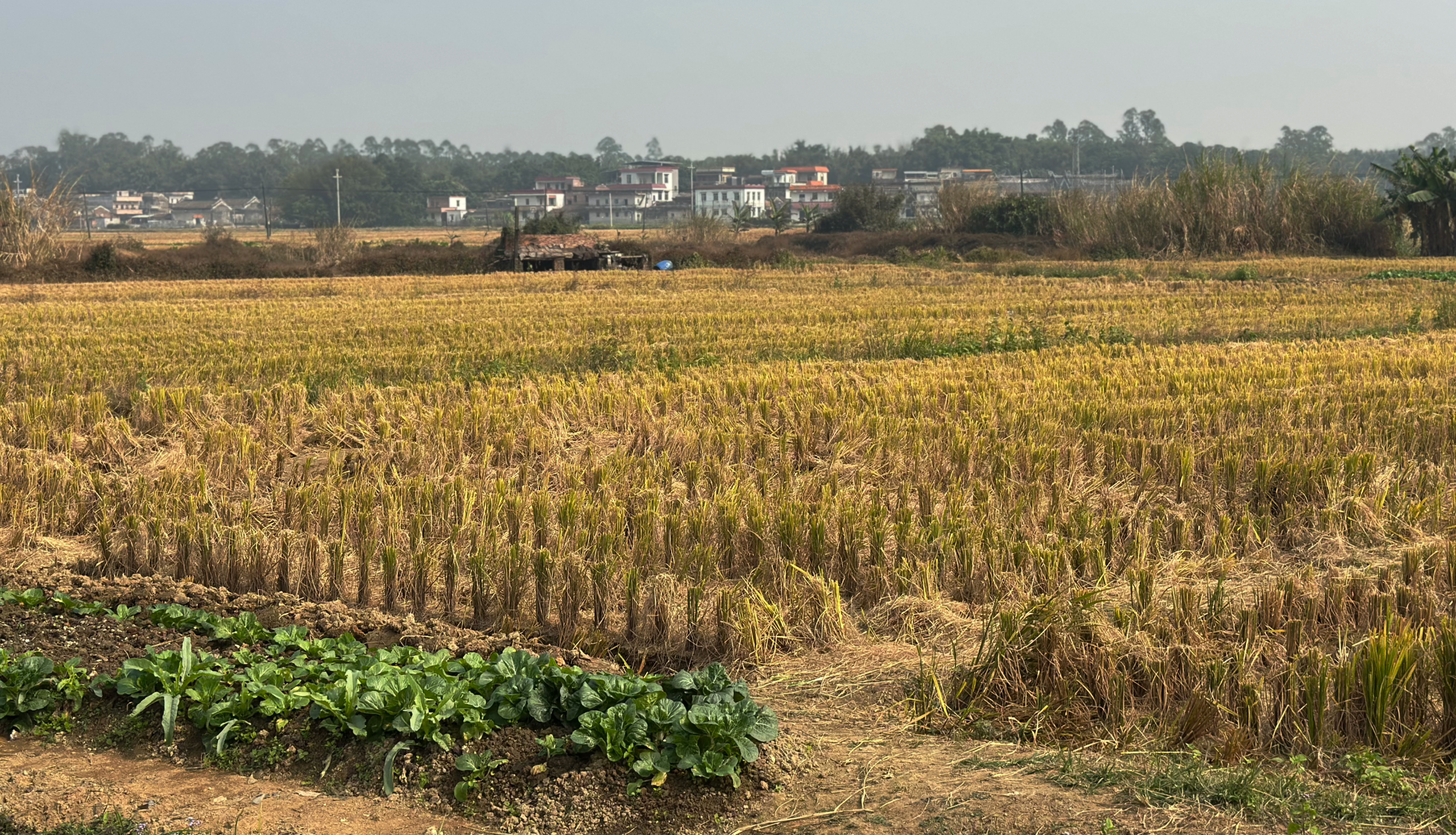
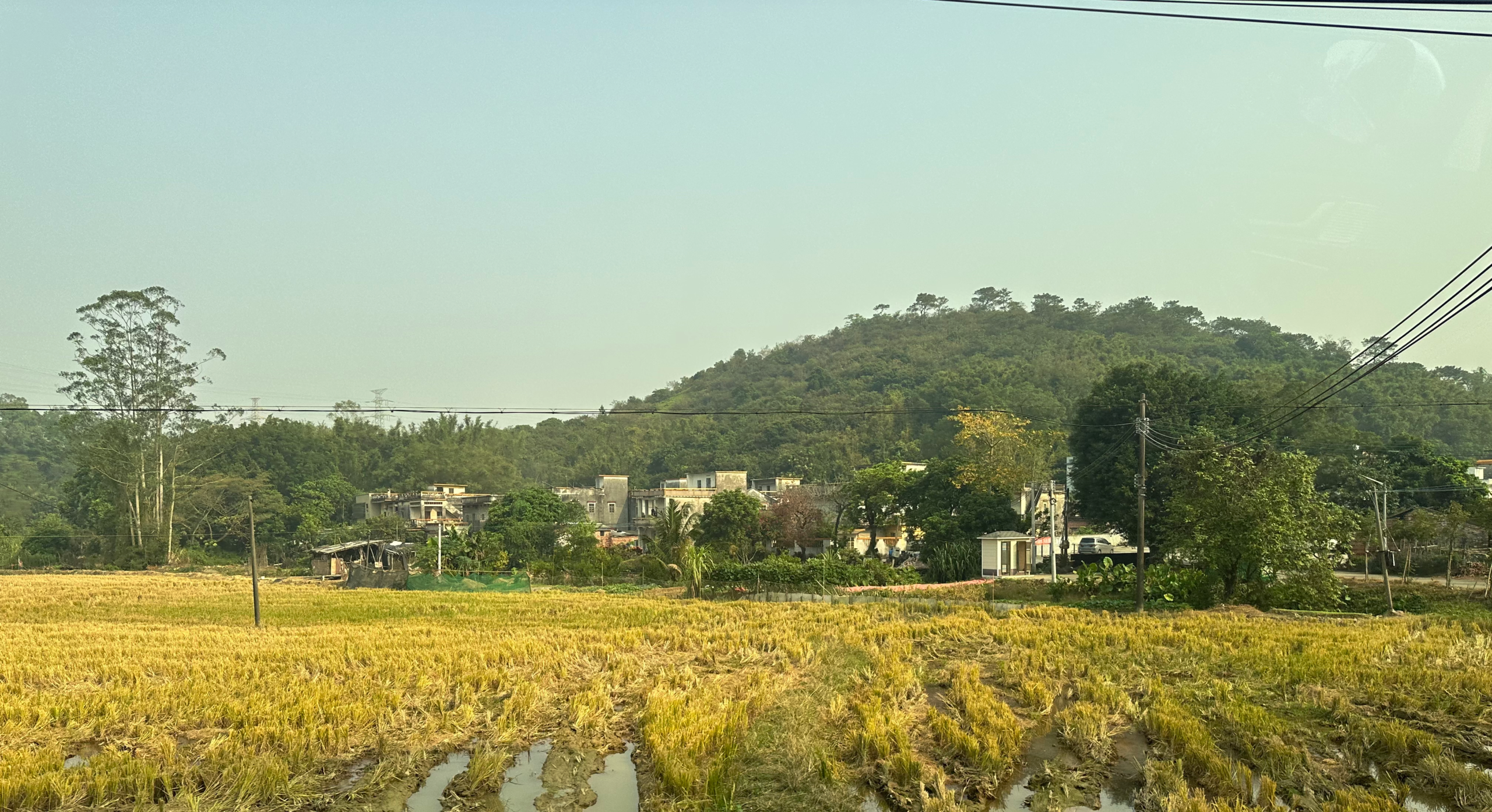
Gom Benn, however, seems little changed, the stone buildings standing like small, ancient fortresses. The village still surrounded mostly by rice fields. A flower-growing business has replaced the sewing factory, and students on field trips come to visit its fanciful gardens.
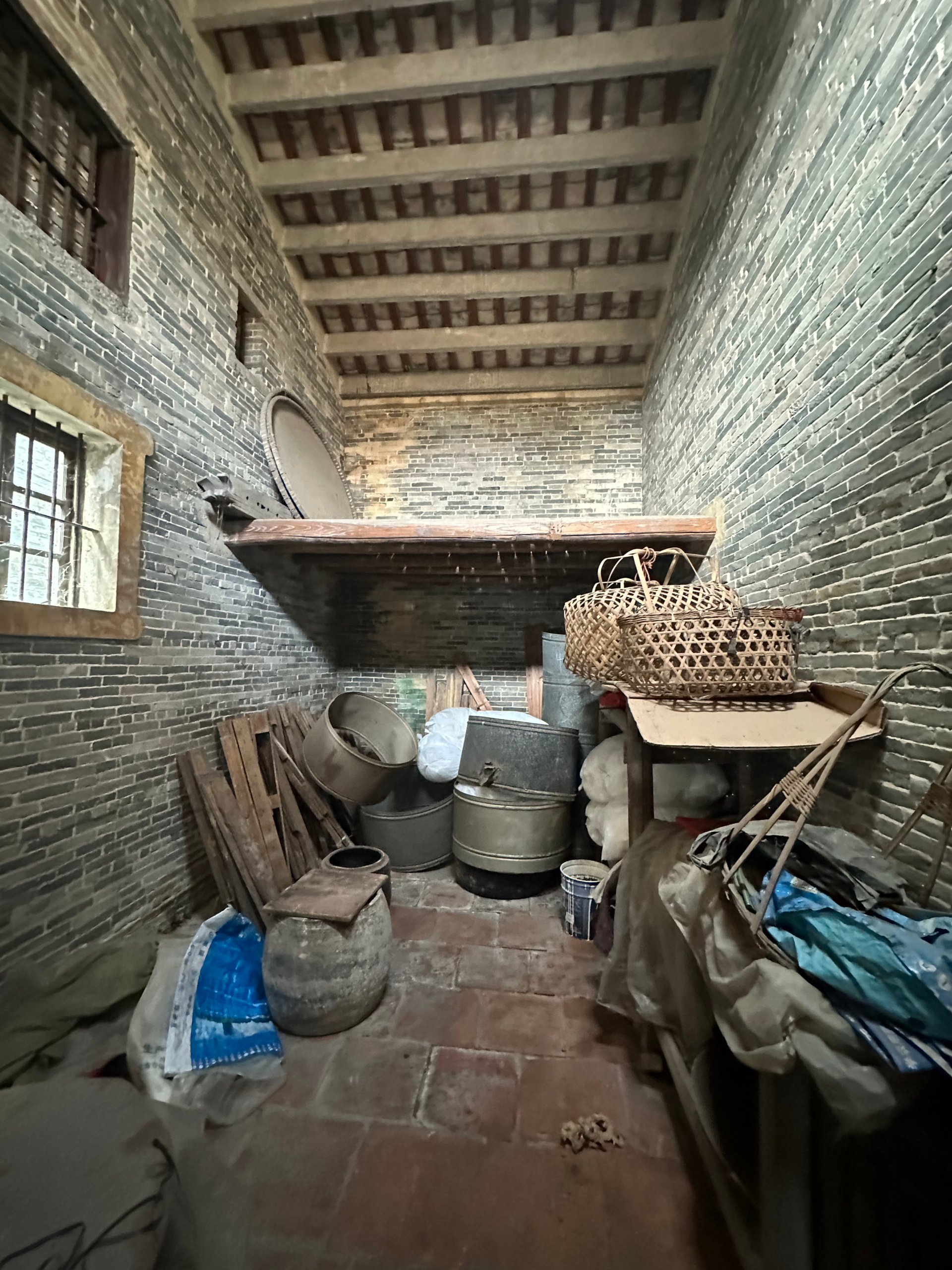
Otherwise, it surely is much as it was when my father grew up here.
Here are photos from our visit: